


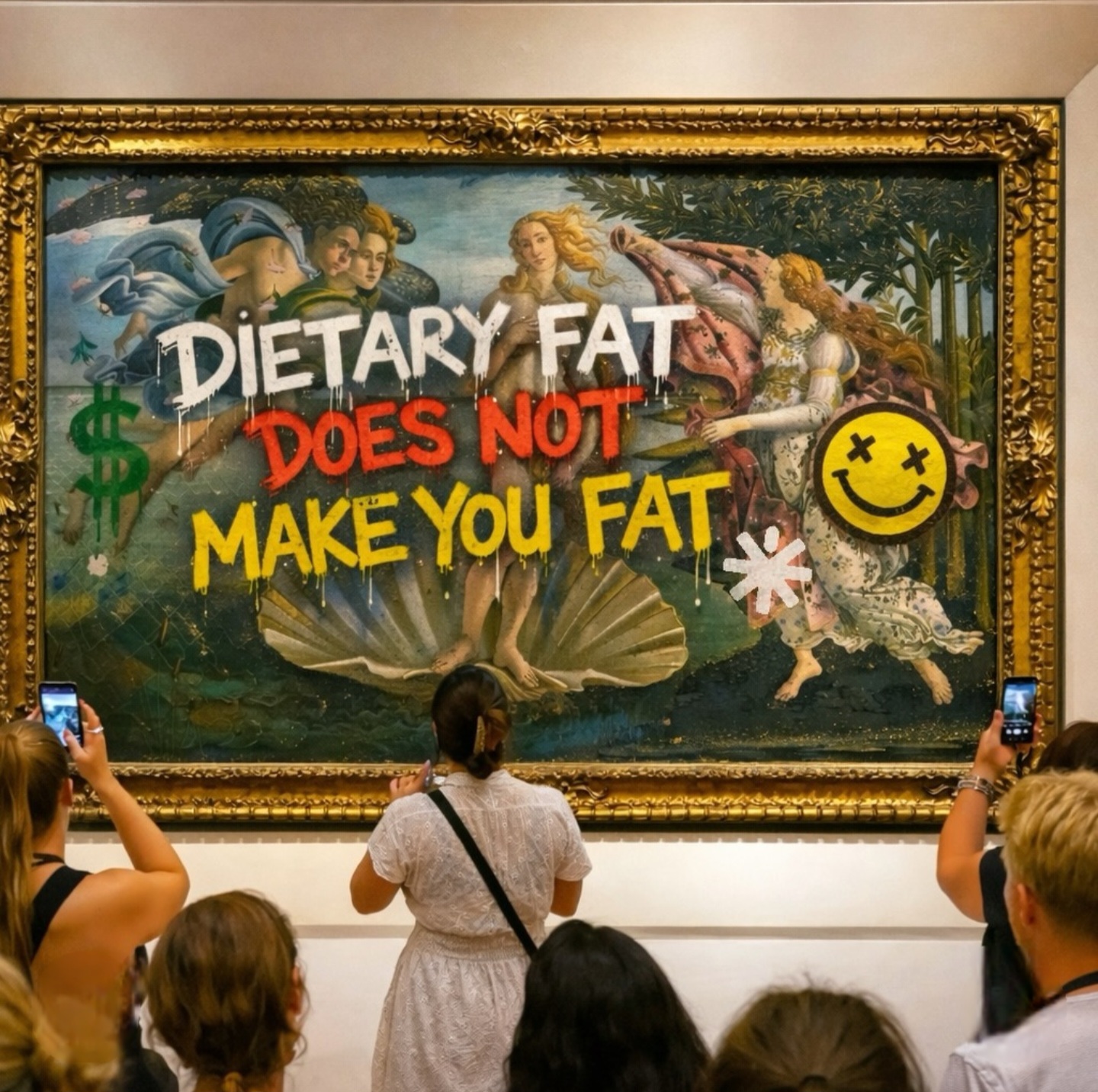
They said that the consumption of natural dietary fat makes you fat — but that’s not the truth. Fat has gotten a bad reputation, but it’s actually one of the body’s most important nutrients. For decades, fat has been misunderstood as the villain of modern diets. Yet science tells a different story. Fat isn’t just a source of energy — it’s a vital nutrient. Every cell membrane in the body is made of fat, the brain is predominantly composed of fatty tissue, and hormones depend on it for proper balance and function.
When the low-fat movement took hold, we were told fat was the enemy so food manufacturers replaced natural fats with refined sugars and processed carbohydrates. The result was a surge in obesity, insulin resistance, and other metabolic disorders. The issue was never the presence of healthy fats but the absence of real, unprocessed foods.
After 1980, the low-fat approach became an overarching ideology, promoted by physicians, the federal government, the food industry, and the popular health media. Many Americans subscribed to the ideology of low fat, even though there was no clear evidence that it prevented heart disease or promoted weight loss.
Today, nutrition research emphasizes the importance of quality fats — such as those from avocados, nuts, unprocessed meats, and fatty fish — for brain health, hormone regulation, and long-term metabolic stability. The real problem wasn’t fat — it was the replacement of natural fats with cheap, highly processed ingredients from corn and soy that can disrupt metabolism and lead to cravings.
Dietary fat is an essential macronutrient found in plants and animal foods. While often misunderstood, fat is vital for health, as it supports cell growth, protects organs, and is required for the absorption of fat-soluble vitamins (A,D,E, and K).

The key isn’t to fear fat, but to choose the right kinds and enjoy them as part of a balanced, whole-food diet.
Bruce Jacobs